

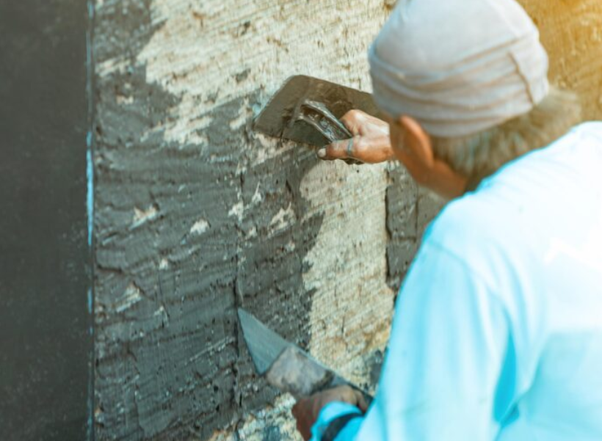
Cold rain settles into tiny outdoor wall fissures. Water freezes when winter comes along, pushing small stone gaps wider. Heavy foundations shift slowly as groundwater rises and falls beneath your yard. Doing timely concrete repair stops deep structural decay before heavy concrete slabs crumble completely. Strong mortar patches fill hollow gaps to block driving rain. Special water repellent sprays seal porous surfaces against harsh weather cycles. Solid maintenance protects stone steps, patio slabs, and basement retaining walls for decades. Your property stays sturdy, dry, and safe through every rainy season.
Spotting Early Signs of Wall Crack Decay
Small hairline fissures look harmless on aging brick walls initially. Deep vertical splits mean your foundation settles unevenly under heavy loads. Flaking stone surfaces show where absorbed water froze during cold winter nights. Rust spots on outer surfaces mean internal steel rods are rusting away inside. Tapping walls with a light metal hammer reveals hollow sound spots behind mortar. Fixing tiny gaps early keeps big repair bills away from your mailbox. Strong walls protect whole houses from expensive water damage. Catching issues fast saves time and money.
Preparing Fissures for Mortar Patching Compound
Loose dirt must come out of wall gaps before applying patch material. Wire brushes scrape away old powdery mortar sticking inside narrow cracks. Spraying clean tap water onto dry stone stops raw walls from sucking patch moisture out too fast. Deep cracks need widening with chisel tools so fresh cement grips firmly inside. Pushing thick mortar deep into voids prevents hollow air pockets from forming under trowels. Smooth out excess cement flat against surrounding stones for a clean finish. Well- prepared gaps hold strong against heavy weather for years.
Applying Hydrophobic Sealers for Masonry Protection
Silane penetrating sealers soak deep into porous stone walls. Deep penetration forms invisible barriers that push standing water droplets away instantly. Proper concrete sealing stops salt stains from forming on red brick surfaces after heavy rains. Water drops bead up and roll off vertical walls without soaking inside. Clear liquid coats let stone breathe out trapped internal moisture naturally without bubbling up. Applying sealer during warm, sunny afternoons helps chemical bonds dry very tight. Shielding surfaces prevents moss growth and freeze damage across cold winter months.
Strengthening Internal Steel Reinforcement Bars
Exposed steel rebar turns orange and expands as rust builds up inside concrete. Expanding iron pushes outer stone layers off in large, heavy chunks. Scraping rust off metal rods with coarse sand paper stops metal rot completely. Special zinc paint coats keep bare steel safe from future moisture attacks. Packing high strength Epoxy mortar around treated metal rods restores full wall strength. Strong internal support keeps heavy retaining walls straight under huge dirt pressure. Proper steel care prevents sudden structural collapses during violent storms.
Maintaining Outdoor Patios and Walkway Slabs
Flat ground slabs take heavy abuse from foot traffic and pooling rainwater. Clean surface joints regularly to stop weeds from pushing concrete blocks apart. Sweep away wet fall leaves before rotting organic matter stains patio stones dark brown. Reapplying protective water sealers every three years keeps outdoor pathways looking clean and bright. Small cracks need flexible polyurethane fillers to handle shifting ground temperatures smoothly. Replacing broken section pieces promptly keeps surrounding walkways safe for walking. Taking care of outdoor stones makes backyards look neat and welcoming.
Avoiding Common Structural Fixing Errors
Using standard mortar over flexible expansion joints leads to fresh wall cracks. Applying liquid water sealers over dirty damp stone ruins surface adhesion completely. Skimping on surface cleaning leaves loose dust that ruins fresh cement bonds instantly. Working under direct hot sunlight makes patch compounds dry too quickly, causing surface shrinkage cracks. Always read product instructions carefully before mixing heavy chemical mortars in buckets. Taking your time during repair steps guarantees professional results that last long. Careful craftsmanship pays off with rock-solid masonry walls that endure.
Conclusion
Protecting masonry structures requires steady patching, careful cleaning, and dependable sealing methods. Repairing small wall gaps early stops dangerous water leaks from causing massive internal damage. Silane-penetrating treatments shield stone surfaces from cold-weather freeze cycles. Regular upkeep extends the working lifespan of outdoor walkways, retaining walls, and home foundations. Learn more about reliable masonry protection products by visiting avid-epoxy.com today. Taking smart proactive steps now keeps your property dry, solid, and completely safe through every changing season.