

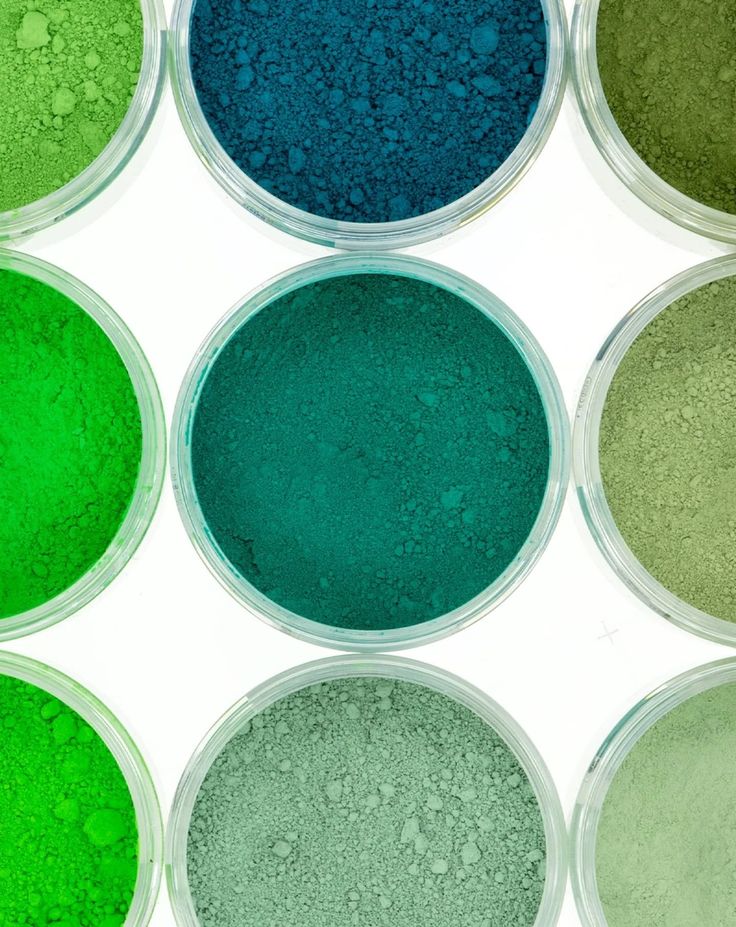
Blue is one of the most technically challenging shades in natural food coloring. Many plant pigments naturally produce red, yellow, orange or purple, while dependable blue options are less common. This scarcity affects product development because blue is used not only as a finished shade but also as a blending component for green, teal and violet. Manufacturers must therefore select the pigment carefully and test it in the complete application rather than judge it by a swatch alone.
Understand Spirulina-Based Blue
Spirulina-derived blue is associated with phycocyanin, a water-soluble pigment that can create bright blue tones in suitable products. Spirulina Extract Color may be considered for beverages, confectionery, frozen desserts, jellies and other applications where the processing conditions fit the pigment. Formulators should review pH, heat exposure, light and storage temperature. A vivid laboratory solution may lose intensity if it is subjected to a process that is too harsh or held at elevated temperature for too long.
Evaluate Gardenia as a Different Option
Gardenia blue is produced through processing compounds derived from gardenia fruit and can offer a different stability profile and tonal range. Food manufacturers should not assume that all blue pigments can be substituted at the same dosage. gardenia blue may show different behavior with proteins, acids, minerals and heating. Regional regulatory status is also important because color approvals can vary by country and application. The intended sales markets should be confirmed before formulation work advances too far.
Building Green Requires More Than Mixing
Green is usually created by combining a blue component with a yellow pigment such as turmeric, safflower or another suitable natural yellow. The final shade depends on the ratio, but the two components may not fade at the same rate. A green that looks balanced on day one can become more yellow or more blue during storage. Stability testing should therefore monitor the blended shade, not only the individual colors. The base product can also influence the result because cream, cocoa, fruit and plant proteins contribute their own tones.
Processing and Packaging Matter
Blue pigments should be tested under the exact production process. Heat, shear, order of addition and holding time may affect performance. Transparent packaging can increase light exposure, as well as oxygen inside the headspace and cause additional stress. Frozen applications introduce a freeze-thaw cycle and may also require testing for turbidity or sediment in fluids. Manufacturers should compare alternative packaging and processing conditions when the first test does not provide adequate stability.
Use Objective Color Standards
Blue and green shades are particularly sensitive to small visual differences. A slight ratio change can shift a product from sky blue to teal or from fresh green to olive. Production teams should work with approved physical standards or instrumental color targets. Dosing equipment, pre-dilution instructions and mixing time should be defined clearly. These controls are essential when colors are blended from two components because an error in either one changes the final appearance. When a green blend is used, each component should be tracked separately during development whenever practical. This helps teams identify whether a shift toward yellow or blue comes from unequal pigment loss, mixing variation or ingredient interaction, allowing corrective work to focus on the real cause rather than replacing the entire system.
Conclusion
Creating dependable natural blue and green shades requires careful ingredient selection and application testing. Spirulina and gardenia-based colors differ in their processing tolerance, regulatory status and suitability for particular food systems. Green blends require additional interest because blue and yellow ingredients may be additionally exchanged for certain fees throughout the inventory. Manufacturers must reproduce actual boiling point, benign, pH and packaging conditions before a system is approved. Teams exploring challenging blue or green operations can test natural colorant options, request samples and access expert technical formula assistance through Foodrgb.com before commercial production begins.