

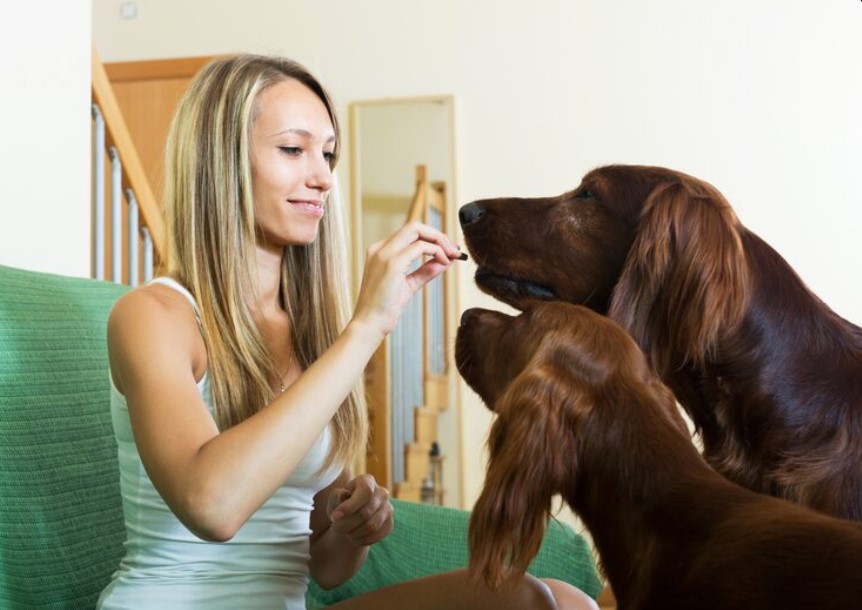
Some dogs crunch through biscuits without hesitation. Others prefer something softer, smaller, and easier to chew. That is where soft dog treats can be useful.
Soft treats work particularly well when you need a reward that can be eaten quickly, broken into smaller pieces, or used repeatedly during training. They can also be practical for puppies, older dogs, and dogs that simply prefer a softer texture. Other options, including lickable dog treats, provide a different experience for dogs that enjoy licking rather than chewing.
But texture is only one part of the decision. Ingredients, calories, portion size, freshness, and your dog’s individual needs all matter.
Why Choose a Soft Treat Instead of a Crunchy One?
A good treat should fit the moment.
A large crunchy biscuit might be perfectly suitable when your dog is relaxing at home. During a fast training session, however, waiting for your dog to crunch through a large biscuit after every successful cue can interrupt the activity.
Soft treats offer a different experience.
Many can be:
- Broken into tiny pieces
- Eaten quickly
- Carried during training
- Divided between multiple rewards
- Used with dogs that prefer softer textures
This does not make soft treats universally better than crunchy ones.
It simply gives owners another option.
Think about what you want the treat to accomplish before choosing its texture.
The Best Training Treat May Be Smaller Than You Think
Imagine teaching your dog a new cue.
You ask for “sit.”
Your dog sits.
Reward.
You repeat the exercise.
If each reward is a full-size treat, your dog could consume a significant number of extra calories before the training session ends.
Instead, one larger soft treat may sometimes be divided into several smaller rewards.
Suppose one treat can be safely divided into four small pieces.
Ten successful repetitions would require only 2.5 whole treats rather than 10.
That makes portion control easier while still giving your dog frequent positive feedback.
For training, the reward does not always need to be large. It needs to be valuable enough to keep your dog interested.
What Should You Check Before Buying Soft Dog Treats?
Turn the package around.
The front tells you why the company wants you to buy the product. The back usually gives you more practical information.
Before purchasing soft dog treats, check:
- Ingredient list
- Calorie information
- Recommended serving amount
- Dog size recommendations
- Storage instructions
- Best-by date
- Product warnings
- Intended use
If your dog has known food sensitivities or dietary restrictions, read the complete ingredient list every time you purchase a new treat.
Do not assume that two products with similar names contain similar ingredients.
Treat Calories Can Add Up Faster Than Expected
Treats feel small because they are given one at a time.
The calories do not disappear because the portions are small.
Consider a simple example.
Suppose a treat contains 8 calories.
If your dog receives 6 per day:
8 × 6 = 48 calories
Now imagine that the dog also receives a dental chew and a few bites of food from the family.
Those extras can quickly become a noticeable part of the dog’s daily calorie intake.
A commonly used veterinary guideline is to keep treats and other extras to about 10% or less of a dog’s daily calories, with the majority coming from a complete and balanced diet.
The exact amount appropriate for your dog depends on size, age, activity level, body condition, and health.
Use Smaller Pieces Without Reducing the Number of Rewards
Dogs often care more about receiving the reward than about whether every reward is a large piece.
That makes soft treats useful for repetitive training.
For example, instead of:
1 cue = 1 full treat
you may be able to use:
1 cue = 1 small piece
If a treat can be divided into five appropriate pieces, a short session with 15 rewards may require only three whole treats.
This gives you more opportunities to reward good behavior while controlling the amount being fed.
Always make pieces large enough for your dog to take safely.
When Are Soft Treats Especially Useful?
The answer depends on the dog and the situation.
Here are a few moments when a softer reward can make sense.
During Short Training Sessions
Training often involves repeated rewards delivered quickly.
Soft treats for dogs can be useful because many varieties can be divided into small pieces and eaten without a long chewing break.
This helps keep the dog focused on the activity.
When Teaching Something New
A new behavior may require more frequent reinforcement than something your dog already knows.
If you are teaching “stay,” for example, you may reward several small improvements:
The dog remains still for one second.
Reward.
Then three seconds.
Reward.
Then you take one small step away.
Reward.
Using small pieces can make frequent reinforcement more practical.
During Walks
Treats used outside need to be easy to carry and quick to deliver.
You may reward your dog for checking in with you, responding to a cue, or calmly passing a distraction.
Small soft treats can work well in a treat pouch because you can access them quickly.
For Dogs That Prefer Soft Textures
Some dogs simply prefer softer foods.
Texture preference varies from dog to dog.
If your dog regularly ignores hard biscuits but becomes interested in softer treats, that preference can help you choose more effective rewards.
What Are Lickable Dog Treats?
Lickable dog treats are soft or semi-liquid treats designed to be consumed by licking rather than traditional chewing.
They may come in tubes, pouches, cups, or other containers depending on the product.
This format creates a different type of reward.
Instead of giving your dog an entire piece, you may be able to offer a controlled amount during an activity.
For some dogs, licking is highly engaging.
That can make a lickable treat useful when you want a reward that lasts longer than a small training bite.
When Can Lickable Treats Be Useful?
The biggest advantage of a lickable format is control over delivery.
Imagine you are working on calm behavior.
Instead of giving your dog a whole treat at once, you may offer a small amount of a suitable lickable dog treats product while the dog maintains the desired behavior.
The reward can stop when the activity stops.
This creates a different training experience from tossing a biscuit onto the floor.
Lickable treats may also work well with compatible enrichment toys or lick mats if the product manufacturer allows that use.
Always check serving and storage instructions.
Soft Does Not Mean the Same as Lickable
These categories can overlap, but they are not identical.
A soft treat may still be a solid piece that the dog chews.
A lickable treat usually has a paste-like, creamy, or semi-liquid texture.
Think of them as tools for different situations.
For example:
Soft bite: Quick reward during obedience practice.
Lickable treat: Longer reward during a calm activity.
Crunchy biscuit: Occasional snack when speed does not matter.
Having more than one texture available can make it easier to match the reward to the activity.
Check the Ingredient List Before Following the Flavor Name
A package might say “chicken,” “beef,” “peanut butter,” or another flavor in large letters.
That does not mean the product contains only that ingredient.
Check the full ingredient list.
This is particularly important for dogs with dietary restrictions.
For example, an owner avoiding a certain ingredient might choose a treat based on the flavor shown on the front, only to discover that the ingredient appears elsewhere in the recipe.
Read first. Buy second.
Should You Choose Limited-Ingredient Soft Treats?
Limited-ingredient treats can be useful when owners want simpler ingredient lists or when a veterinarian has recommended avoiding particular foods.
But “limited ingredient” is not automatically the same as “better.”
The important question is whether the ingredients are appropriate for your individual dog.
If your dog has no dietary restrictions, there may be no need to avoid a treat simply because it contains several ingredients.
If your dog does have restrictions, check every ingredient carefully rather than relying only on marketing terms.
How Do You Pick Treats for a Small Dog?
Small dogs do not necessarily need completely different treat ingredients, but treat size deserves extra attention.
A piece that looks tiny beside a large dog can be a substantial snack for a five-pound dog.
Choose soft treats for dogs that can be broken into appropriately sized pieces.
For example, suppose a 20-calorie soft treat can be divided into four equal pieces.
Each piece would contain approximately 5 calories.
Breaking the treat apart does not remove calories, but it allows you to distribute the same treat across several rewards.
This can be especially useful during training.
What About Treats for Large Dogs?
Large dogs can physically handle bigger treats, but bigger is not always necessary.
A 70-pound dog does not need a huge reward after every successful cue.
Small rewards can still be effective if the dog finds them motivating.
Save larger treats for situations where a larger portion makes sense rather than automatically matching treat size to body size.
This can help control unnecessary calories.
Are Soft Treats Good for Puppies?
Soft dog treats can work well for puppy training because small pieces can often be delivered quickly.
Puppies learn many things during their first months at home:
- Their name
- Sit
- Come
- Leave it
- Drop it
- Walking skills
- Calm handling
- House-training routines
That can create many opportunities for rewards.
Small pieces are useful because you can reinforce behavior frequently without handing over a full-size snack every time.
Choose treats appropriate for your puppy’s age and size, and include treat calories when considering total daily intake.
Are Soft Treats Better for Senior Dogs?
Some older dogs may prefer softer textures, particularly if hard biscuits are less appealing.
But a sudden change in chewing behavior deserves attention.
If a dog that previously ate crunchy food comfortably suddenly drops food, chews only on one side, avoids hard treats, develops bad breath, or appears uncomfortable while eating, do not simply replace everything with softer food and ignore the change.
Dental or other health problems may need veterinary attention.
Soft treats can be convenient, but they should not be used to hide unexplained eating difficulties.
Freshness Matters More With Moist Treats
One trade-off with softer products is that storage instructions can be especially important.
Some products need to be used within a certain period after opening. Others may require specific storage conditions.
Check the package before assuming you can store every soft treat exactly like a dry biscuit.
After opening:
- Seal the package properly
- Keep moisture out unless the product requires otherwise
- Follow refrigeration directions if provided
- Watch the recommended use-after-opening period
- Discard treats that smell, look, or feel abnormal
Do the same with lickable dog treats, particularly single-serve or resealable products.
If the package says to refrigerate after opening, follow that instruction.
Avoid Buying a Huge Bag Before Testing the Treat
A bulk package may offer a lower cost per ounce.
But that saving means very little if your dog refuses to eat the treats.
When trying something new, start with a smaller package when practical.
Test three things:
Interest: Does your dog actually want it?
Tolerance: Does the treat agree with your dog?
Practicality: Can you break, carry, and store it easily?
If all three work, a larger package may make sense next time.
Create a Reward Scale Instead of Using One Treat for Everything
Not every behavior needs your dog’s favorite reward.
You can create a simple reward scale.
Everyday Reward
Use regular kibble or a lower-value treat for easy behaviors your dog already knows.
Better Reward
Use soft treats for dogs for training that requires more attention.
High-Value Reward
Reserve a particularly appealing soft or lickable treat for challenging situations or important training moments.
For example, your dog might happily sit in the kitchen for kibble but need something more interesting when practicing recall around distractions.
Matching reward value to difficulty can help you use treats more intentionally.
Don’t Forget About Treat Pouches and Pockets
A treat can have great ingredients and still be frustrating to use.
Imagine carrying it on a warm walk and discovering that every piece has stuck together.
Or putting it in your pocket and ending up with crumbs and residue everywhere.
If you plan to use soft dog treats outside the home, consider practical details:
- Do they hold their shape?
- Can you break them easily?
- Are they greasy?
- Do they crumble?
- Can you access them quickly?
- Does the package reseal well?
Training treats need to work for both the dog and the person delivering them.
How Many Treats Are You Really Giving?
Most people do not intentionally overdo treats.
It happens one reward at a time.
Morning training: three treats.
After the walk: two.
A family member gives another.
Then a dental treat.
Then several rewards during evening training.
Individually, none seems like much.
Together, they can add up.
For one day, write down every treat your dog receives.
Include treats from everyone in the household.
You may be surprised by the final number.
Once you know the real amount, you can adjust portions or break treats into smaller pieces without necessarily reducing training opportunities.
A Simple Way to Compare Two Soft Treats
Suppose you are considering two products.
| Feature | Treat A | Treat B |
| Calories per piece | 12 | 5 |
| Can be divided easily? | Yes | Yes |
| Suitable size? | Yes | Yes |
| Dog enjoys it? | Very much | Very much |
| Easy to carry? | Moderate | Easy |
| Storage practical? | Yes | Yes |
For repeated training, Treat B might be easier to fit into your dog’s daily calorie allowance.
For occasional rewards, either could work.
There is no universal winner.
The best option depends on how you plan to use it.
Frequently Asked Questions About Soft Dog Treats
What are soft dog treats?
Soft dog treats are treats with a tender or chewy texture rather than a hard, crunchy texture. Many can be divided into smaller pieces, which makes them convenient for training and frequent rewards.
Are soft treats for dogs good for training?
Yes. Soft treats for dogs can be useful during training because they are often easy to break into small portions and quick for dogs to eat between repetitions.
What are lickable dog treats?
Lickable dog treats have a soft, creamy, or paste-like consistency that dogs consume by licking. They may be useful as controlled rewards or with compatible enrichment activities.
Can puppies have soft treats?
Puppies can have age-appropriate soft treats in suitable portions. Small pieces can be especially useful because puppy training often involves frequent rewards.
Can senior dogs eat soft treats?
Many senior dogs can enjoy soft treats, and some may prefer the texture. However, new difficulty chewing or sudden avoidance of harder foods should be discussed with a veterinarian.
How should I store soft dog treats?
Follow the directions on the package. Keep resealable products properly closed and pay attention to any refrigeration or use-after-opening instructions.