

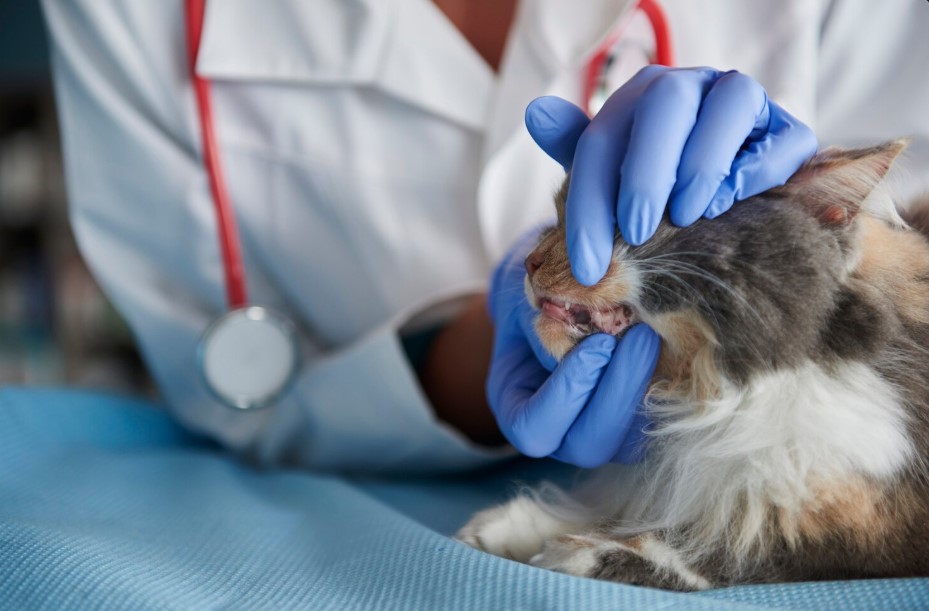
Dental health is one of the most overlooked parts of cat care. Many cat parents focus on food quality, grooming, and litter habits, but oral hygiene often gets attention only when there’s a problem. Bad breath, inflamed gums, difficulty eating, or even tooth loss can sneak up quietly.
That’s where cat dental treats come in. These specially designed treats offer a simple, stress-free way to support oral health while giving your cat something they actually enjoy. When used correctly, dental treats for cats can become an easy part of your daily routine, no toothbrush battles required.
In this guide, we’ll break down how cat dental treats work, their benefits, how to choose the right ones, and how to use them safely as part of a complete dental care plan.
Why Dental Care Is Essential for Cats
Cats are masters at hiding pain. Dental issues can develop silently for months, or even years, before noticeable symptoms appear. By the time a cat stops eating or shows discomfort, the problem is often advanced.
Common dental problems in cats include:
- Plaque and tartar buildup.
- Gingivitis (inflamed gums).
- Periodontal disease.
- Tooth resorption.
- Chronic bad breath.
Poor oral health doesn’t just affect the mouth. Bacteria from dental disease can enter the bloodstream and impact vital organs like the heart, liver, and kidneys.
Preventative care is far easier, and more affordable, than treating advanced dental disease. That’s why vets emphasize daily or routine oral care, where cat dental treats can play a supportive role.
What Are Cat Dental Treats and How Do They Work?
Cat dental treats are specially formulated snacks designed to clean teeth mechanically and sometimes chemically as your cat chews.
Unlike regular treats, dental treats for cats typically feature:
- A firm or crunchy texture that gently scrapes plaque.
- Unique shapes that increase surface contact with teeth.
- Ingredients that help control tartar or support gum health.
When your cat chews these treats, the texture helps reduce plaque before it hardens into tartar. Some formulas also include enzymes or minerals that help slow bacterial growth in the mouth.
It’s important to remember that dental treats are not a replacement for professional cleanings, but they are a valuable preventative tool when used consistently.
Key Benefits of Cat Dental Treats
Helps Reduce Plaque and Tartar Buildup
Regular chewing action helps remove soft plaque from the tooth surface. Over time, this can significantly slow tartar formation.
Freshens Breath Naturally
Bad breath is often caused by oral bacteria. Dental treats help reduce odor-causing microbes, leading to noticeably fresher breath.
Supports Healthy Gums
Some dental treats contain ingredients that support gum health and reduce inflammation.
Stress-Free Dental Care
Many cats resist brushing, but treats feel like a reward, not a chore, making compliance much easier.
Encourages Chewing Behavior
Chewing stimulates saliva production, which naturally helps wash away food particles and bacteria.
How to Choose the Best Dental Treats for Cats
Not all dental treats are created equal. Choosing the right product is key to seeing real benefits.
Look for Proven Effectiveness
Treats approved by the Veterinary Oral Health Council (VOHC) have been tested and shown to reduce plaque or tartar.
Check the Ingredients List
High-quality dental treats for cats should include:
- Natural proteins.
- Limited fillers.
- No artificial colors or harsh preservatives.
Avoid treats with excessive sugars or low-quality by-products.
Choose the Right Size and Texture
The treat should encourage chewing, not be swallowed whole. Size matters, especially for kittens or senior cats.
Consider Your Cat’s Dietary Needs
If your cat has food sensitivities or is on a special diet, choose dental treats that align with those needs.
Cat Dental Treats vs. Other Dental Care Options
Dental Treats vs. Tooth Brushing
- Brushing is the gold standard but often impractical.
- Dental treats offer convenience and consistency.
- Best results come from combining both when possible.
Dental Treats vs. Water Additives
- Water additives work passively.
- Treats provide mechanical cleaning through chewing.
- Some cats dislike changes in water taste.
Dental Treats vs. Dental Diets
- Dental diets are effective but may not suit all cats.
- Treats allow flexibility alongside regular food.
Dental treats shine as an easy, supplemental solution, especially for cats that resist other methods.
How Often Should You Give Dental Treats to Cats?
Most cat dental treats are designed for daily use, but portion control is crucial.
General guidelines:
- Follow the feeding instructions on the package.
- Treats should not exceed 10% of daily calories.
- Consistency matters more than quantity.
Dental treats work best when used regularly as part of a routine, not just occasionally.
Are Dental Treats Safe for All Cats?
- Kittens: Some dental treats are too hard for kittens. Always check age recommendations.
- Senior Cats: Older cats may have sensitive teeth. Look for softer dental treats designed for seniors.
- Cats With Existing Dental Disease; Cats with advanced dental issues may need veterinary treatment before using dental treats.
- Cats With Medical Conditions: If your cat has diabetes, kidney disease, or food allergies, consult your vet before introducing new treats.
Tips to Maximize the Effectiveness of Dental Treats
- Offer treats at the same time each day to build habit
- Pair dental treats with routine health checks
- Combine with dental toys or occasional brushing
- Monitor your cat’s breath, gums, and eating behavior
Consistency and observation are key. Small daily actions add up over time.
Common Myths About Cat Dental Treats
“Dental Treats Replace Vet Cleanings”
False! They help prevent buildup but cannot remove hardened tartar.
“All Dental Treats Work the Same”
Quality, texture, and ingredients vary significantly.
“Cats Don’t Need Dental Care”
Dental disease affects most cats by age three, prevention matters.
Conclusion
Oral health plays a bigger role in your cat’s overall well-being than many people realize. While brushing and professional cleanings remain important, cat dental treats offer an easy, enjoyable way to support daily dental care.
When chosen carefully and used consistently, dental treats for cats can help reduce plaque, freshen breath, and promote healthier gums, without stress for you or your cat.
A small habit today can prevent major dental issues tomorrow. Your cat’s smile, and health, will thank you.
FAQs About Cat Dental Treats
Do cat dental treats really work?
Yes, when used consistently and chosen wisely, they help reduce plaque and support oral health.
How long does it take to see results?
Many pet parents notice fresher breath within weeks, with long-term benefits over months.
Can cats eat dental treats every day?
Yes, most are designed for daily use, just follow portion guidelines.
Are dental treats safe for indoor cats?
Absolutely! Indoor cats are just as prone to dental disease.
What’s the difference between dental treats and regular treats?
Dental treats are specifically designed to clean teeth and support oral health.